
Essays
Essays: First Series
Emerson’s classic essays are a manual for inner authority: trust your conscience, resist conformity, and build a life from character rather than applause.
Summary
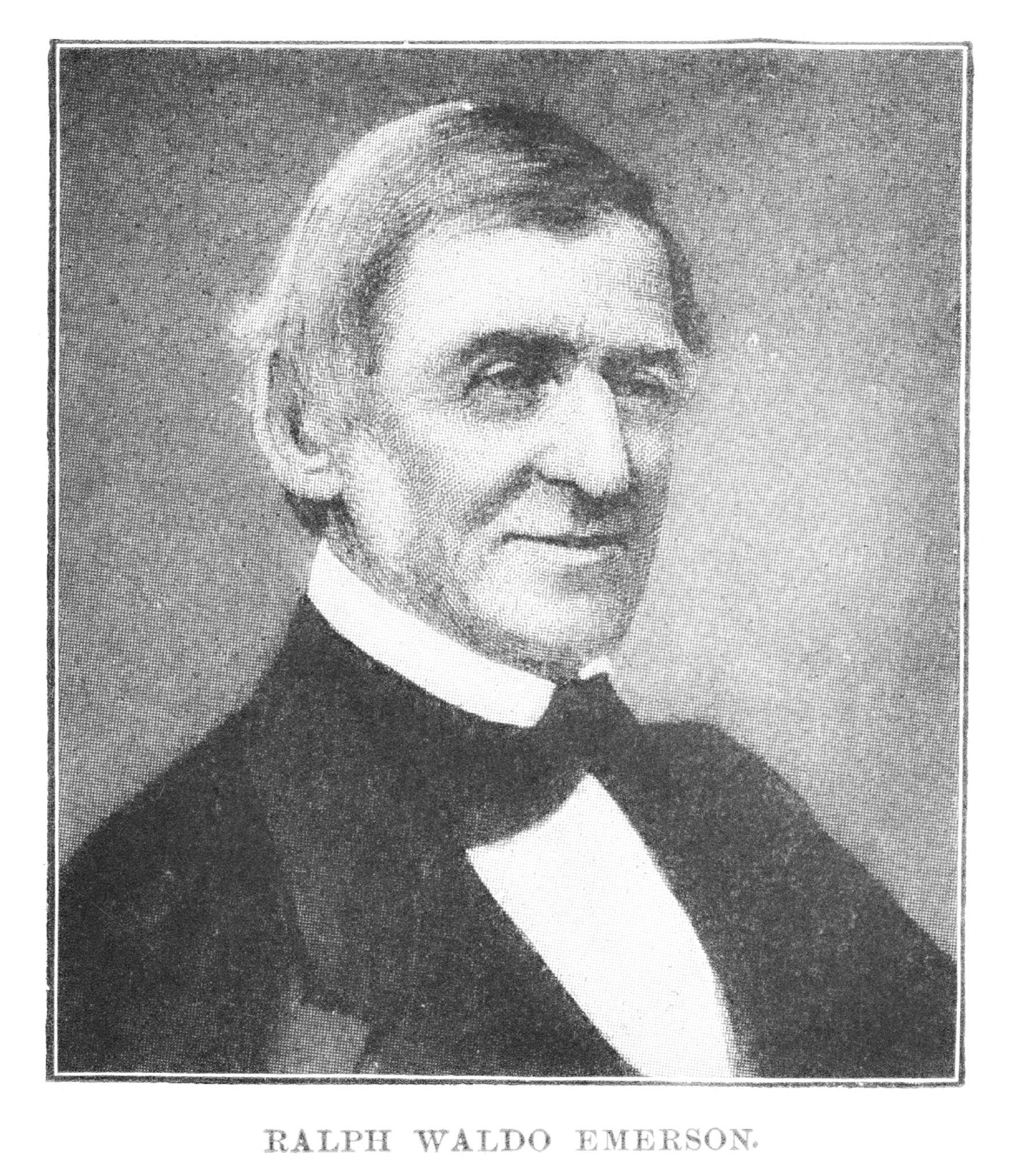
Emerson’s Essays are not a system of philosophy; they’re a force of personality. He writes like a man trying to wake you up. The central message is simple, and it lands like a command: stop outsourcing your life—to the crowd, to fashion, to fear, to inherited opinions. Your task is to become a person with an inner center.
The famous essay “Self-Reliance” is the spine. Emerson argues that most people live in a constant negotiation with other people’s expectations. They copy, apologize, hedge, and perform. He calls this a spiritual error. The real measure of a human being is whether they can hear their own conscience and act from it—without waiting for permission. This is not selfishness in the childish sense; it’s the claim that your highest duty is to become honest with your own nature, because only a real person can contribute something real to the world.
But Emerson’s independence is not mere rebellion. Again and again he returns to character: the inner law that holds you steady when moods change. In “Compensation,” he presents a moral universe where actions carry consequences—sometimes socially, sometimes internally. Shortcuts and betrayals don’t come free; they always charge interest. In “Spiritual Laws,” he insists that what you are shapes what you see. Your inner condition is not private; it colors the entire world you inhabit.
In “Circles,” Emerson adds a second discipline: growth requires revision. Life is not a finished portrait; it’s an expanding horizon. The self that clings to yesterday’s identity becomes rigid and fearful. Wisdom is the willingness to outgrow your own opinions—to treat change not as inconsistency but as proof that you’re alive.
The essays on friendship, love, and society add a crucial balance. Emerson is not telling you to hate people. He’s telling you to relate to people without surrendering yourself. True friendship is possible only between two self-possessed souls, not between two performers begging for approval.
Read as intended, Essays becomes a daily tonic: think for yourself, speak with clean honesty, accept growth, and build a life whose foundation is character—not reputation.
Key ideas
Notable quotes
- ““Trust thyself: every heart vibrates to that iron string.””
- ““Whoso would be a man must be a nonconformist.””
- ““A foolish consistency is the hobgoblin of little minds.””
- ““Nothing can bring you peace but yourself.””
- ““To be yourself in a world that is constantly trying to make you something else is the greatest accomplishment.””
Why it matters today
Emerson matters because modern life is a factory of imitation: algorithms reward sameness, workplaces reward safety, and social media rewards performance. Essays offers a different standard: build a life from inside out. It teaches courage without bitterness, independence without loneliness, and growth without self-hatred. If you want a philosophy that strengthens your spine—while still keeping your spirit open—Emerson is one of the best voices ever written in English.
Recommended for
- Readers who want a strong philosophy of independence without cynicism
- Anyone stuck in approval-seeking, fear of judgment, or overthinking
- Writers, creators, and founders who need courage and inner authority
- People looking for moral seriousness in modern language (not ancient metaphysics)
- Readers who like short, quotable chapters that reward rereading