
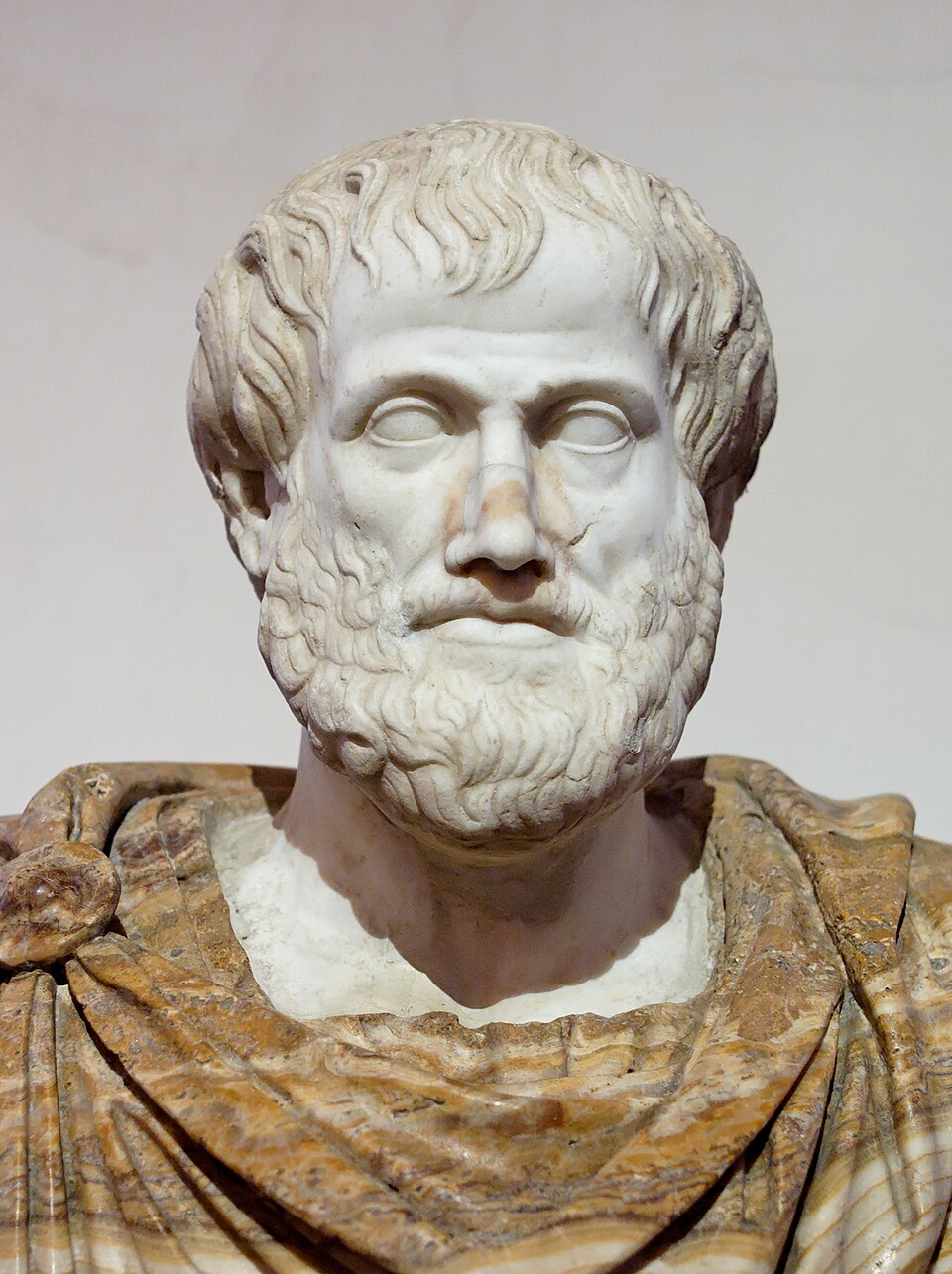
Nicomachean Ethics
Ἠθικὰ Νικομάχεια (Ēthika Nikomacheia)
Aristotle's classic guide to the good life: happiness as excellence in action, virtue as trained character, and wisdom as the ability to choose well.
Summary
Aristotle's Nicomachean Ethics is one of the most practical books ever written about becoming a better human being. It begins with a simple claim: every action aims at some good, and the "highest good" for humans is what we call happiness. But Aristotle's happiness is not a mood. It is eudaimonia—a flourishing life that goes well as a whole.
To understand flourishing, Aristotle asks what humans uniquely do. Plants grow; animals feel and desire; humans can reason. So the good life must involve excellent rational activity—living in a way that expresses our best capacities over time, not merely chasing pleasure or status.
From there, Aristotle introduces his core idea: virtue is not a feeling or a slogan; it is a trained disposition. You do not become courageous by admiring courage—you become courageous by repeatedly choosing brave actions until bravery becomes "second nature." Ethics, then, is closer to learning a craft than learning a theory. It's practice, correction, repetition, and gradual refinement.
Aristotle's most famous tool is the Golden Mean. Many virtues sit between two errors: courage lies between cowardice and recklessness; generosity lies between stinginess and waste. This is not mediocrity. The "mean" is what is fitting to the situation, the person, and the stakes—often demanding, sometimes extreme, and always intelligent.
But knowing the mean requires more than rules. Aristotle distinguishes moral virtue (character) from intellectual virtue (thinking well). The bridge between them is practical wisdom (phronesis): the mature ability to perceive what matters here and now, to deliberate well, and to choose the right action for the right reasons. This is why good ethics cannot be reduced to hacks or rigid checklists.
Aristotle also maps our inner conflicts with unusual honesty. People can know what's right and still fail to do it—through weakness, impulse, or rationalization. So he studies pleasure, self-control, and responsibility: which actions are voluntary, what counts as blameworthy, and how character shapes perception itself.
The book's emotional center is Aristotle's account of friendship (philia). Friendship is not a "nice extra." It is a pillar of flourishing. Aristotle distinguishes friendships of utility (you help me), pleasure (you're fun), and goodness (we admire each other's character and wish each other well). The highest friendships aren't networking—they are moral partnerships.
In the final stretch, Aristotle returns to happiness and argues that the highest human activity involves the best use of reason—contemplation and understanding—while still insisting that moral virtue, community, and education are essential to a complete life. Nicomachean Ethics ultimately gives you a demanding but hopeful message: your life is shaped less by your opinions than by your repeated choices—and you can train those choices into excellence.
Key ideas
Notable quotes
- “"Every art and every inquiry… aims at some good."”
- “"Happiness is an activity of the soul in accordance with virtue."”
- “"Virtue is a mean between two vices."”
- “"Friendship is necessary for life."”
- “"We become just by doing just acts."”
Why it matters today
*Nicomachean Ethics* matters now because it solves a modern problem: we're surrounded by "advice," but starved of **formation**. Aristotle shows that a good life is not built by motivation or slogans—it's built by training attention, desire, and choice. His framework is incredibly current: character beats branding, habits beat mood, and practical wisdom beats rigid ideology. If you're trying to build a life (or a company, or a family culture) that lasts, Aristotle gives you the missing architecture: define the real aim, practice the virtues that serve it, and build a community that reinforces what you're trying to become.
Recommended for
- Anyone who wants a practical framework for becoming better (not just "knowing" better)
- Readers interested in discipline, habit-building, and character
- Leaders and founders building culture and making trade-offs under pressure
- Students of ethics, philosophy, classics, or political theory
- People who want a serious account of friendship, pleasure, and self-mastery