
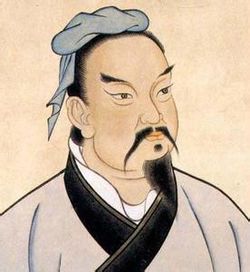
The Art of War
孫子兵法 (Sūnzǐ Bīngfǎ)
The oldest and most influential strategy manual: how to win by planning, information, discipline, deception, and choosing battles so well you barely have to fight.
Summary
Sun Tzu’s The Art of War is a small book with a large ambition: to teach strategy as the art of winning at the lowest possible cost. It is not a celebration of violence. It treats war as a serious failure of politics—expensive, unstable, and dangerous—so if war must happen, it should be conducted with clarity and restraint.
The book begins with planning. Sun Tzu insists that outcomes are decided before the first clash—through assessment, preparation, logistics, and understanding comparative advantage. He lists factors that determine victory: moral cohesion, capable leadership, discipline, terrain, and timing. Strategy starts by knowing your own condition and your opponent’s.
A famous thread is deception. Sun Tzu argues that conflict is partly a contest of perception: if you can shape what the opponent believes, you can shape what the opponent does. This isn’t mere trickery; it’s information control—feints, misdirection, forcing the enemy to misallocate resources.
But deception only works on top of real strength. Sun Tzu is obsessive about discipline: clear orders, reliable training, consistent rewards and punishments, and a structure that prevents chaos. In his view, a poorly organized army is already defeated; it will collapse under stress.
Sun Tzu also emphasizes adaptability. There is no single winning formula because conditions change: weather, terrain, morale, leadership, supply lines, alliances. A good commander is not stubbornly brave; he is flexible, patient, and able to read momentum. The goal is not to prove courage—it is to secure victory.
One of the book’s most influential ideas is that the highest skill is winning without fighting. This means breaking the enemy’s plans, isolating alliances, undermining morale, and making resistance irrational. A direct battle is costly and uncertain; the strategist prefers indirect methods that make battle unnecessary.
Finally, Sun Tzu highlights intelligence. Information is leverage. Spies, scouts, accurate knowledge of terrain, and understanding of the opponent’s character make strategy possible. Without intelligence, actions become gambling.
Read today, The Art of War works beyond armies because it’s really about conflict with limited resources: negotiation, competition, pressure, and timing. Its discipline is simple: know yourself, know the terrain, know the opponent, and choose battles you can win—preferably in a way that ends the contest before it begins.
Key ideas
Notable quotes
- ““All warfare is based on deception.””
- ““If you know the enemy and know yourself, you need not fear the result of a hundred battles.””
- ““The supreme art of war is to subdue the enemy without fighting.””
- ““In war, the way is to avoid what is strong and strike at what is weak.””
- ““He will win who knows when to fight and when not to fight.””
Why it matters today
*The Art of War* matters because most modern conflict is non-military: business competition, negotiation, career strategy, public communication, and institutional politics. Sun Tzu teaches a clean discipline: avoid ego battles, choose the field, control information, keep costs low, and win by shaping incentives and perceptions rather than brute force. The book also helps you resist manipulation: once you recognize strategy patterns—feints, distraction, attrition—you become harder to pull into unwinnable fights.
Recommended for
- Leaders and founders who want timeless strategy principles
- Readers interested in competitive thinking without brute force
- Students of military history and classical strategy
- Anyone who wants to think clearly about conflict, negotiation, and leverage
- People who prefer short, sharp maxims that reward rereading