
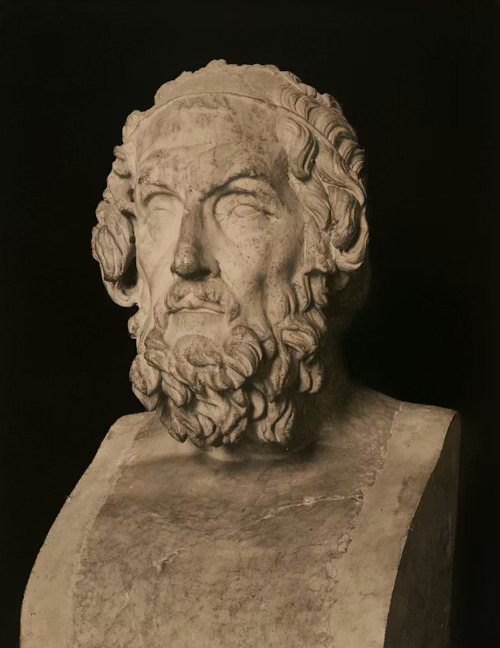
Discourses
Ἐπικτήτου Διατριβαί (Epiktētou Diatribai)
Epictetus’s most powerful teaching: raw classroom conversations that train you to master judgment, desire, and fear—so your character stays free in any circumstance.
Summary
Epictetus’s Discourses is Stoicism in its living form—sharp, direct, and relentlessly practical. These are not polished essays. They are classroom talks recorded by Arrian, capturing Epictetus as a moral trainer: correcting students, exposing self-deception, and insisting that philosophy is not something you admire, but something you become.
The spine of the book is one idea: your freedom lives in moral purpose (prohairesis)—your power to choose, to judge, to assent, to refuse. Everything else is “external”: your body, possessions, status, reputation, career outcomes, other people’s opinions, even the weather of politics and luck. Externals matter, but they are not yours to command. If you build your happiness on them, you hand your peace to whatever can be taken away.
Epictetus keeps dragging people back to this line because they keep crossing it. They want security from praise, comfort, money, romance, recognition. They want guarantees. When life refuses, they become angry, anxious, performative, or bitter. Epictetus calls this slavery. A free person is not the one who gets what he wants; it is the one who can keep his character intact when he doesn’t.
How do you do that in real time? By training your response to impressions—the first mental story that hits you. Someone insults you and your mind instantly says, “I’ve been harmed.” Epictetus teaches the pause: that is an impression, not a verdict. The insult is external; the “harm” is a judgment you added. The discipline is to test the impression before you grant it your consent.
The Discourses are full of hard medicine. Epictetus attacks vanity wearing philosophical clothing: the student who wants to look wise, quote Stoic lines, or win arguments—while still collapsing under fear, lust, or pride. He wants proof, not performance: can you stay fair when provoked, calm when ignored, restrained when tempted, honest when lying would be easy?
Yet this is not cold withdrawal. Epictetus emphasizes roles and duties: you are a human being, a friend, a child, a citizen. Stoic freedom is not escaping responsibility; it’s doing your part without letting outcomes purchase your soul. Read seriously, the Discourses becomes a training ground for the rarest kind of strength: being ungovernable from the outside, without becoming inhuman on the inside.
Key ideas
Notable quotes
- ““My leg you will fetter, but my moral purpose not even Zeus himself has power to overcome.””
- ““It is not things that disturb us, but our judgments about things.””
- ““Seek not for events to happen as you wish, but wish for them to happen as they do happen…””
- ““First say to yourself what you would be; and then do what you have to do.””
- ““Show me a Stoic.””
Why it matters today
The *Discourses* is a direct antidote to modern fragility. We are constantly trained to outsource our peace—into money, approval, metrics, outrage cycles, and comparison. Epictetus offers a harder freedom: build a character that doesn’t need external permission to be calm. In a world that monetizes attention and provocation, this book trains the one skill that never goes obsolete: governing your own mind while staying decent, courageous, and useful.
Recommended for
- Readers who want Stoicism in full depth (not just short maxims)
- Anyone building emotional discipline and resilience under stress
- Leaders/founders who need integrity without fragility
- People who struggle with approval-seeking, anger, anxiety, or rumination
- Students who want the source behind the Enchiridion